OPTIMISTIC GOAL: The Ministry of Education plans to choose four schools that would be models for the policy, which some university presidents said would pose challenges
計畫願景:教育部預計挑選四所大學作為示範學校,但部分校長認為這個目標過於艱鉅。
By Rachel Lin, Wu Po-hsuan and William Hetherington / Staff reporters, with staff writer
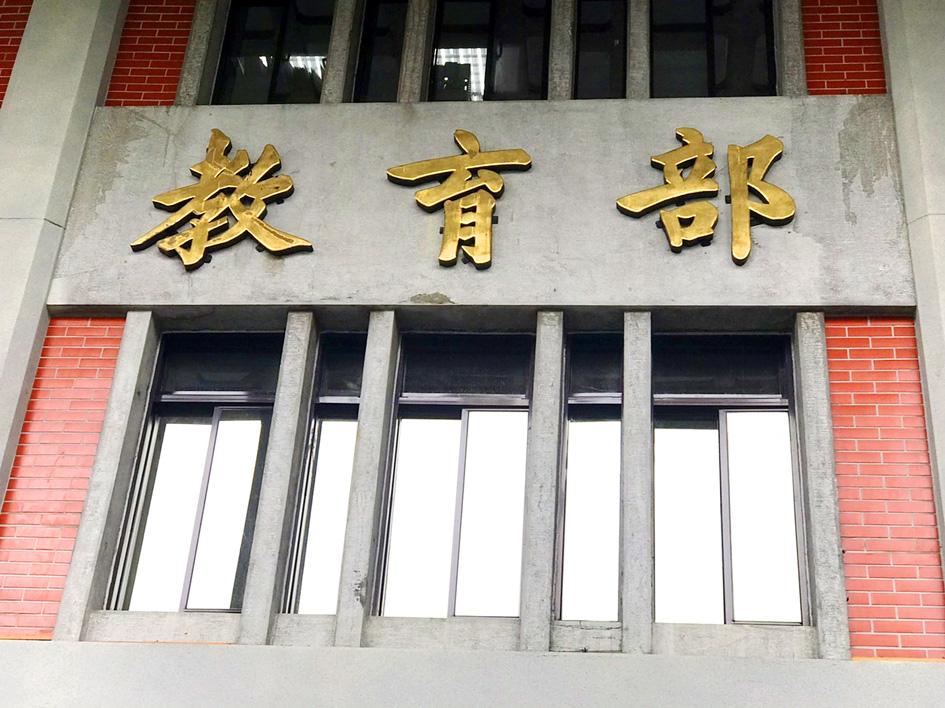
為了用英文授課增加外師比例和國際學生,這對於台灣的全球定位真的會有幫助嗎?
歐洲國家很多人英文流利,但是他們的語言本來就有相似性。
日本和韓國英文程度也不見得很好,雖然他們的確為此苦惱,但卻仍能在世界中佔據要角。
台灣想要轉型成雙語國家,推行全英語教育,還是必須先問問這麼做的目的究竟何在?
The Ministry of Education aims to have 90 percent of doctoral degree courses, 70 percent of master’s degree courses and 50 percent of undergraduate courses at four universities taught in English within the next few years, a source said yesterday.
消息指出,教育部預計在近幾年內挑選四所大學,提升校內英語授課比例,其中博士學位課程提升至百分之90,碩士學位課程升至百分之70,學士學位課程升至百分之30。
The ministry last week held a meeting with the heads of several universities, from which it plans to select four schools that would serve as a model for the policy, the source said.
上週教育部舉辦一場會議,邀集多位學院代表,並在會議中提出希望挑選四所大學作為計畫示範學校之提案。
The ministry had in the past attempted to increase the number of courses at public universities taught in English to attract international students, but hit a stumbling block as not enough lecturers were proficient in English, the source said, adding that later attempts to hire more foreign lecturers were met with resistance.
過去教育部亦曾推廣公立大學提升英語授課課程比例,藉以吸引國際學生,但是卻在具備英語授課能力的講師不足的情況下遇到瓶頸。其後,教育部希望聘請更多外籍教師的企圖,也遭到抵制。
The source said that less than 30 percent of graduate-level courses at the nation’s universities are taught in English.
根據消息,國內僅有百分之30的碩士學位課程以英語授課。
“While it is a fact that students and teachers must improve their English, requiring locals whose mother language is Mandarin to study in English is too far removed from their culture,” National Tsing Hua University president Hocheng Hong (賀陳弘) said.
「雖然教師和學生提升英語能力是未來趨勢,但要求這些中文母語人士以英文作研究,還是遠超過他們所學。」清華大學校長賀陳弘說。
The situation in Taiwan could also not be compared with that in Hong Kong or Singapore, both of which have long histories of colonization under the British, he said.
香港與新加坡的狀況不能拿來與臺灣相比,它們過去曾長時間受到英國殖民。
He also outlined the challenges of increasing the number of courses taught in English over a short period, saying that only one-third of his university’s graduate courses are taught in English, and only 15 percent of its undergraduate classes are taught in English.
他也指出,目前僅有三分之一碩士課程、百分之15學識課程為英語授課,要在短時間內增加勢必會造成巨大挑戰。
Internationalizing the school should involve a whole set of measures, he said, adding that increasing the use of English would necessitate first increasing the number of foreign teachers and foreign students.
校園國際化必須包含一系列的措施,欲提升英語比例,還必須先擴充外籍教師與國際學生的人數。
“Whether universities can push strongly for bilingualism would depend on the students’ English-language foundation,” National Pingtung University president Guu Yuan-kuang (古源光) said. “The ministry would need to first improve English-language skills at the elementary and junior-high school levels,” he said.
國立屏東大學校長古源光表示,「大學是否能成功推行雙語教育,仰賴學生的英文基礎,教育部必須先提升國小與國中學生的英文程度,才有可能實現。」
Yuan Ze University president Wu Jyh-yang (吳志揚) said that his school had already been promoting English as the language of instruction for 10 years, and that it teaches one-quarter of its classes in English.
元智大學校長吳志揚認為,元智大學已經推廣英語教育長達十年,有四分之一的課程都是以英語授課。
However, further increasing the number of courses taught in English without first improving students’ English-language ability could negatively affect their professional competency, he said.
然而,若不先加強學生的基礎英文能力,一味提升英語高校可能會造成學生專業能力的降低,對學生造成負面影響。
In related news, National Sun Yat-sen University plans to start a 10-year program next year to transition to English as the language of instruction, starting with its electrical engineering; mechanical and electro-mechanical engineering; and chemistry programs, the university said on Friday.
另外,國立中山大學在星期五表示,已計畫自明年起推動一項10年改革方案,要將英文轉換為校內教學語言,並將從電子工程、機械與電機工程、化學等相關學程著手。
It hopes to have all of its courses taught in English by 2030, it said, adding that 20 percent of its instructors are foreigners.
校方說,它們將在2030年之前將所有校內課程轉換為英語授課,並指出目前學校已有百分之20的教師為外籍師資。
“National Sun Yat-sen University is actively working to meet the needs of Taiwan’s industry as it seeks to globalize,” university president Cheng Ying-yao (鄭英耀) said, adding that it also hopes to attract outstanding foreign students.
中山大學校長鄭英耀說,「中山大學致力於滿足臺灣產業國際化的需求,也努力在吸引優秀的國際學生前來就讀。」
The 10-year program would be introduced in three stages, with the first beginning on Feb. 1 next year, when the school plans to have a minimum of six courses per program taught fully in English, university provost Lee Chih-peng (李志鵬) said.
It would then aim to have an additional four courses taught in English per department per year, he said.
中山大學教務長李志鵬說,這項10年方案分為三個階段,第一個階段將自明年2月1日起實施,屆時每個學程至少必須要有6門課程完全以英語教學。後續每年,每一學系至少必須增加4門英語授課程程,以達到計畫目標。
# Jill Yang
留言