跳到主要內容

2020/8/14日治時期、年久失修的英文怎麼說?

 2020/08/14  今日新聞英文 Today news, today words

東部最長的徒步吊橋在太魯閣國家公園正式啟用
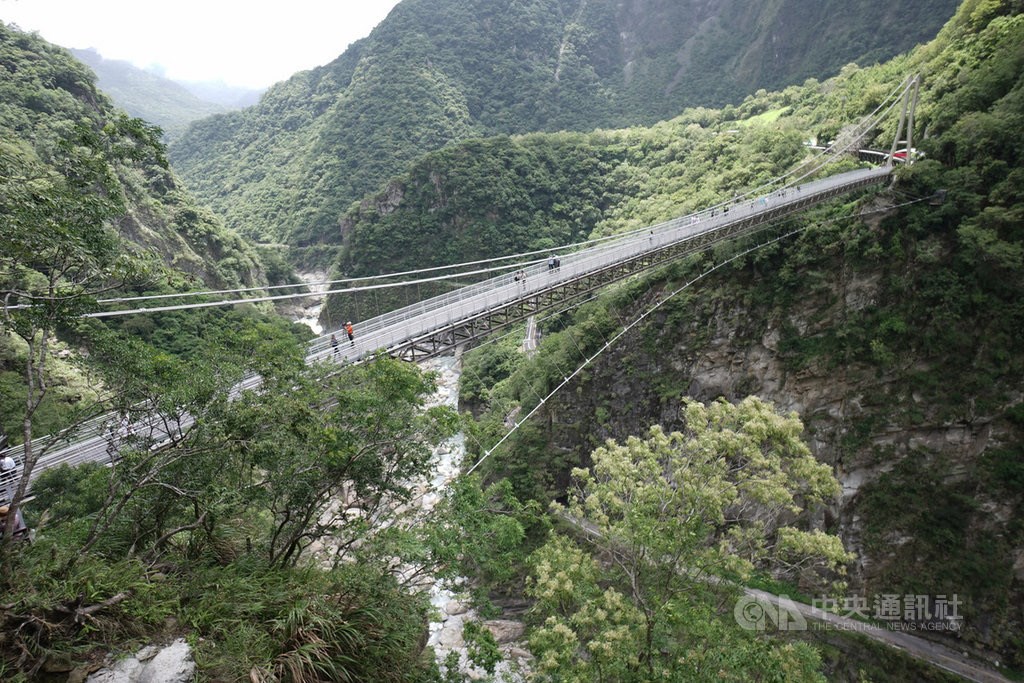
(From CNA news)

1. 吊橋:suspension bridge

2. 行人橋:footbridge

3. 峽谷:gorge
(gorge同時也是吃撐的意思。
gorge oneself on something. be gorged with something)

4. 原住民部落:indigenous tribe
(現在好像都不太用aboriginal了,比較常看到indigenous)

5. 觀景台:viewing deck

6. 年久失修fall into disrepair/ in a state of disrepair

7. 日治時期Japanese colonial period

8. 預先:in advance

全部加起來:
The new suspension bridge hung over the Taroko gorge, which has viewing decks on its both sides, was officially opened with the blessing of elders from the local Truku indigenous tribe. The original footbridge built in the Japanese colonial period fell into disrepair and was replaced by the Central Cross-Island Highway. To visit the bridge, tourists have to book 3-14 days in advance


# by Jill Yang

留言

這個網誌中的熱門文章

Different Metaphors for Vanity in English and Chinese

 "Vanity" is a very interesting vocabulary. The first time I noticed this word was in a house renovation TV show (probably the Property Brothers). People in America love this kind of double vanities so much that they keep mentioning this word. But when I looked up "洗手台" ( the Chinese word of vanity) on the internet, the results were "washbasin, sink, hand basin…" None of them were what I had heard on the TV program. And they are also not vanities! Then I looked up the English word "vanity", and the Google Translator says it is "pride, arrogant and extravagant". None of them relate to the bathrooms! Finally I found a suitable explanation in the fifth description on the dictionary : a dressing table. It can refer to a dressing table without basins (but with a mirror) or one that settled in a bathroom like the picture. The interesting thing is, the origin of the word is "vain", which means something with empty inside, can not be ...

修行人

 「作為一名修行人,我們的目標並非賺很多錢,而是轉化自己內心的痛苦,活在平靜和幸福之中。當我們看到家人及朋友幸福,我們的幸福會成倍增長。這種收穫不需要等待十年,現在馬上就可以獲益。」 this is not the exact quote from a book from Thich Nhat Hanh, but I find it more resonate to me this way. This is like a reminder, a bell of mindfulness, calling me back to my awareness of the right path.  We all know what is the right thing to do and what is the right mindset to keep, but sometimes forgetfulness has us and we lose our direction.  The light of wisdom is always within ourselves like the moonshine in the sky. all we have to do is to stop and listen. With enough clarity, The road will show itself to us naturally. #Jill

翻譯練習-【聖嚴法師 心靈環保法與】慈悲沒有敵人,智慧不起煩惱

  【聖嚴法師 心靈環保法與】 慈悲沒有敵人,智慧不起煩惱 Compassion has no enemy, wisdom gives rise to no affliction -- Master Sheng Yen 佛教中有「結緣」的說法,意思就是人與人之間彼此支持、協助,共同走上良善、光明的道路。 Buddhism speaks about "cultivating positive connection," meaning you and I support and help each other so that we can walk on the righteous and bright path together. 「慈悲沒有敵人,智慧不起煩惱」,慈悲的對象,除了慈悲別人,也要慈悲自己。因為不慈悲自己,會讓自己很痛苦。例如,有的人不肯原諒自己,於是就傷害自己。其實做錯事,改過就好,若是不斷責罰自己,就會一直陷在痛苦之中,這就是對自己不慈悲了。對別人也是一樣,如果態度不慈悲,可能就會一再地傷害他人。 In the quote "Compassion has no enemy, wisdom gives rise to no affliction, " we should not only have compassion toward others but also toward ourselves. Without self-compassion, life can be very painful. For example, if one doesn't know how to forgive oneself, they might end up punishing themselves. But the right way to deal with a mistake is to correct it, constantly reproach oneself and remain trapped in suffering . This is a form of self-cruelty. Similarly, if we are not compassionate in our attitude towa...